


Cervical spondylosis is a common disease that occurs for many reasons.The disease has many stages of development, each stage is accompanied by certain symptoms.Treatment is carried out depending on the changes that occur in cartilage and bone tissue.
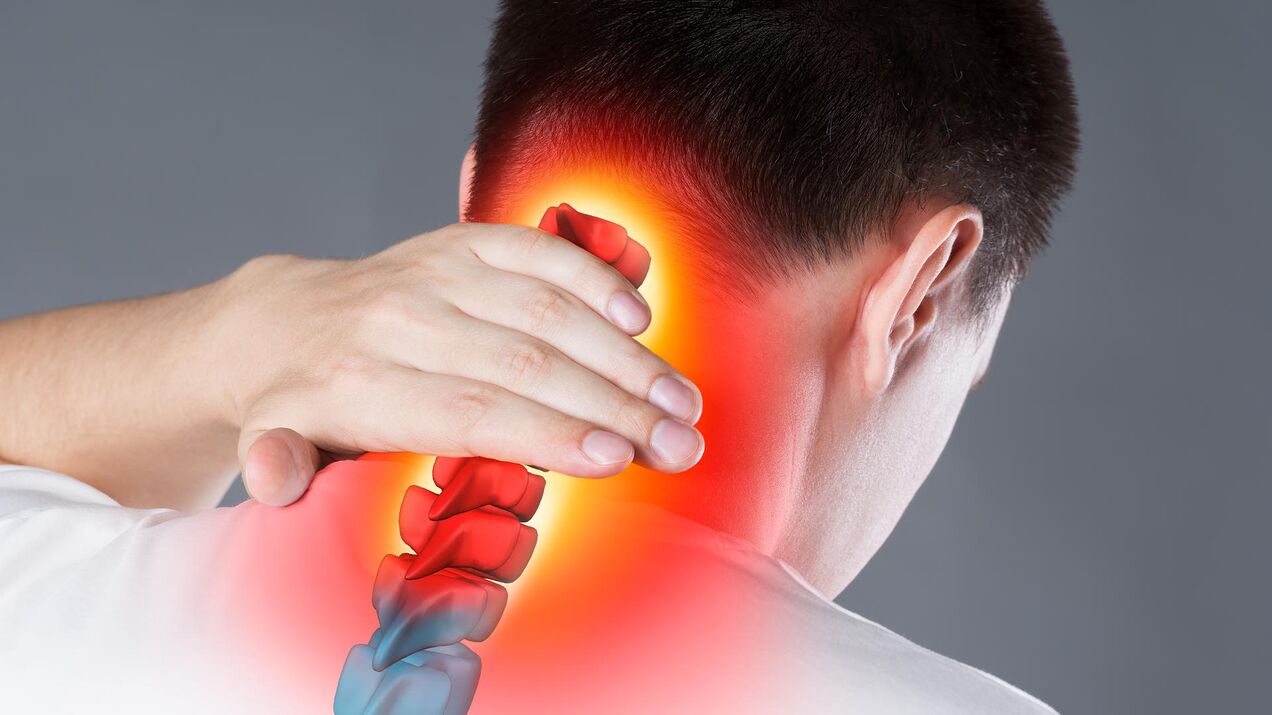
Grade 1 cervical spondylosis: treatment, symptoms
The first degree is manifested by many signs, their appearance is a reason to contact a specialist.The main clinical manifestations of grade 1 cervical spondylosis are:
- The pain spreads to the occipital area.Swelling and severe paroxysmal pain may occur.
- Pupil dilation.
- Wright syndrome.It is manifested by increased pain when moving the arm behind the head.
- Cervical pain syndrome.Occurs in stage 1 of the development of cervical spondylosis.The pathological process that develops in the spine affects muscle tissue.As this syndrome progresses, an abscess will develop.Pain occurs in the neck area and joint mobility is limited.
- In certain cases, anterior trapezius syndrome is observed.It is characterized by the spread of the pathological process to the subclavian artery.
The goal of therapy is to prevent cyst rupture or heal it.Osteoarthritis is manifested by painful sensations of varying intensity, requiring the use of painkillers.Depending on the severity of the pain, medication may be prescribed as tablets or injections.
To reduce edema, intravenous injection of sodium chloride is indicated.The procedure is performed over five days.Depending on the severity of symptoms, the following may be prescribed:
- Anti-inflammatory drugs.Helps reduce inflammation and has an analgesic effect.
- Antihistamines.
- Vasopressors.
At stage 1 of the development of osteonecrosis, the patient is prescribed bed rest and rest for 3 weeks, and physiotherapy treatment is prescribed.Physical therapy techniques can help reduce pain, inflammation, and swelling.Electrophoresis with the use of drugs, UHF and magnetic therapy are often prescribed.
Cervical spondylosis 2 degrees: treatment, symptoms
Level 2 cervical spondylosis develops in cases where the patient has not received appropriate treatment for level 1 disease. All symptoms increase, motor activities are limited.The main signs of the second stage are:
- Pain in the affected area.They are permanent and become more intense with physical activity.
- Lower arterial blood pressure.
- Pathological mobility of the motor segment.Under normal conditions, this should not happen.
- Pectoralis minor syndrome.The pain becomes much stronger when you put your hand behind your head.
When conducting a diagnosis, the specialist determines the following changes:
- narrowing of the intervertebral foramen;
- capsule thinning;
- narrowing of spinal blood vessels.
The second phase can last several years.Furthermore, it is characterized by alternating periods of remission and exacerbation.In severe cases, head-down syndrome may develop.It manifests itself in the form of fatigue of muscle tissues after keeping the head in one position for a long time.As a result, a person is forced to use his hand to block it.
Treatment when diagnosing the second stage occurs with the help of medications aimed at eliminating pain, reducing swelling and restoring motor activity.
To achieve the best results, treatment must be comprehensive.Massage and manual therapy are prescribed as physical therapy effects.To immobilize the vertebrae, a Shants collar is used.An individual set of exercise therapy exercises is developed for each patient.
Grade 3 cervical spondylosis: treatment, symptoms
In the third stage of the disease, treatment is very difficult.This is because the structure of the vertebral disc begins to change.The pathological process affects the tissues and joints of the spine.The main signs of stage 3 of pathological development include:
- Rupture of the vertebral body.Signs of intervertebral herniation appear, severe pain appears in the back and neck, spreading to the limbs.The dystrophic reaction spreads to the entire neck area.
- Vestibular disorders.Periodic pain occurs in the temples.In some cases, the patient loses consciousness.
- Diseases of the endocrine system.The pathological process affects not only the tissues of the spine in the neck, but also spreads to neighboring tissues.Usually the third degree of osteochondrosis is accompanied by diseases of the thyroid gland.
- Multisegmental osteochondrosis.It is manifested as pain in the elbow and limited mobility in the shoulder.
In addition, among the symptoms are pain in the myocardial area, signs of pancreatitis and disruption of the function of the biliary tract.
The goal of third-stage therapy is to improve the patient's condition.Prescription for blood circulation stimulants and hormonal drugs.Manual treatment gives good results.Patients are advised to wear a Shants necklace.Especially effective at this stage is surgical intervention, which can be performed using various methods, depending on the degree of damage to spinal tissue.
Cervical spondylosis manifests depending on the stage of development but is always accompanied by painful feelings of varying severity.Treatment is always comprehensive;Physiotherapeutic procedures are prescribed along with medications.In cases of severe pathology, when the pathological process affects a large area, surgical intervention is indicated.To prevent this, treatment of the disease must be started promptly.